Why Commercial Termite Control Requires Specialized Treatment Plans
People seeking commercial termite control aim to protect their buildings from infestations, and local service providers can develop specialized treatment plans to effectively eliminate termites.
Understanding why commercial termite control requires specialized treatment plans is essential for property owners seeking effective protection against termite infestations. Unlike residential properties, commercial buildings often feature complex structures, larger footprints, and diverse materials that can make standard treatment methods insufficient. Property owners in the area might find themselves exploring this topic to ensure their investments are safeguarded with targeted, effective solutions. Local service providers who specialize in commercial termite control are equipped to develop customized plans that address the unique challenges of each property, helping to prevent costly damage and maintain a safe environment.
Because commercial properties can have varying construction types and usage patterns, a one-size-fits-all approach to termite management rarely works. Proper treatment involves more than just applying a standard pesticide; it requires careful assessment, tailored strategies, and ongoing monitoring. Local contractors experienced in commercial termite control understand these nuances and can design treatment plans that fit the specific needs of each property. This focus on specialized treatment ensures that property owners receive the most effective protection, making it worthwhile to explore professional options tailored to commercial environments.
- Commercial warehouse - when large storage facilities face termite infestations, local contractors develop tailored treatment plans to address the unique structural challenges.
- Office buildings - in cases where termites threaten the integrity of commercial office spaces, service providers implement specialized treatments suited for complex layouts.
- Retail centers - for retail environments with extensive flooring and shelving, local pros design comprehensive solutions that target termites without disrupting business operations.
- Industrial facilities - when industrial sites require pest management, contractors craft detailed treatment plans that consider the scale and construction materials involved.
- Hospitality establishments - in hotels and restaurants, service providers create customized termite control strategies to protect property value and ensure compliance with health standards.
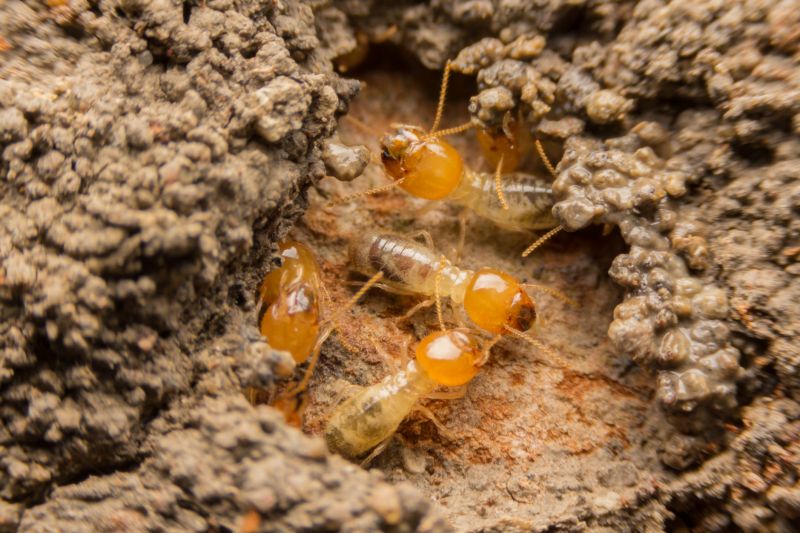
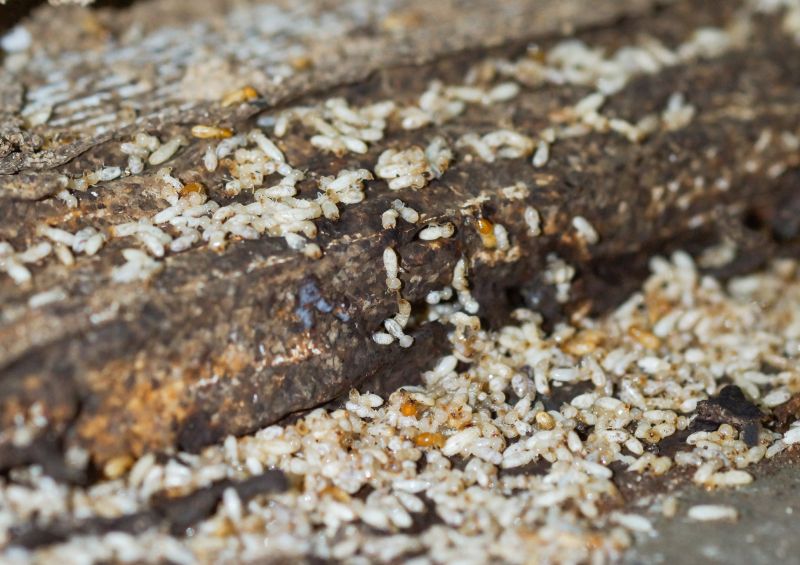

When people search for why commercial termite control requires specialized treatment plans, they are often trying to understand the unique challenges involved in protecting business properties from termite infestations. Unlike residential properties, commercial buildings typically have larger footprints, complex structures, and diverse construction materials, all of which influence how termites can invade and spread. This search often stems from concerns about safeguarding business assets, preventing costly damage, and maintaining a pest-free environment for employees and clients. Recognizing the importance of tailored treatment approaches helps property owners appreciate why standard residential methods may not be sufficient for commercial spaces.
Commercial termite control is closely related to specific problems such as widespread infestations, structural vulnerabilities, and ongoing prevention needs. In large-scale properties, termites can cause significant damage to the building’s foundation, support beams, or interior framing if not addressed properly. Treatment plans for these properties often involve detailed inspections to identify the extent of the infestation and customized strategies that may include soil treatments, baiting systems, or barrier applications. These approaches are designed to target termites effectively throughout the entire property, preventing future invasions and minimizing disruption to daily operations. Local service providers with experience in commercial pest management understand how to develop these specialized plans tailored to each property’s unique characteristics.
The types of properties that typically come up in discussions about commercial termite control include office buildings, warehouses, retail centers, industrial facilities, and multi-family housing complexes. These properties often have large, open spaces and complex infrastructure that can be difficult to treat with standard methods. For example, warehouses storing inventory or commercial kitchens with extensive plumbing require carefully coordinated treatment plans to avoid interference with ongoing business activities. Additionally, properties with multiple tenants or shared walls may need integrated pest management strategies to address potential termite pathways. Local contractors with expertise in commercial pest control are equipped to handle the specific requirements of these diverse property types, ensuring effective and comprehensive treatment.
Understanding why commercial termite control requires specialized treatment plans highlights the importance of working with experienced local service providers. These professionals are familiar with the structural complexities and operational considerations unique to commercial properties. They can conduct thorough inspections, recommend appropriate treatment methods, and design plans that provide long-term protection against termites. For property owners, partnering with local contractors who specialize in commercial pest management ensures that the treatment approach is tailored to the specific needs of the building, helping to prevent damage, reduce infestations, and maintain a safe environment for business activities. This targeted approach is essential for managing the risks associated with termite infestations in commercial settings.
Warehouse Pest Management - managing pests in large commercial storage facilities requires detailed planning and specialized treatments similar to those used in termite control for extensive structures.
Building Inspection Services - conducting detailed inspections to identify structural pest issues aligns with the assessment processes needed for effective commercial termite treatment plans.
Structural Repair and Prevention - implementing repairs to damaged wood and addressing entry points involves planning and techniques comparable to termite treatment strategies.
Moisture Control Solutions - managing moisture levels to prevent pest infestations shares planning and application skills with commercial termite control treatments.
Industrial Cleaning Services - thorough cleaning to remove pest attractants and debris involves precise planning and tools similar to those used in specialized pest management.
Construction and Renovation Projects - integrating pest prevention measures during building modifications requires planning skills that are essential in commercial termite control treatments.
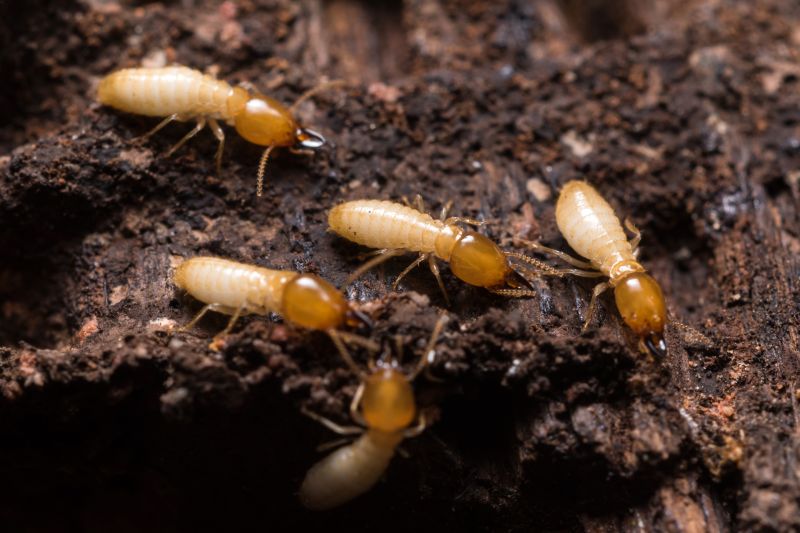
When evaluating service providers for commercial termite control, it is important to consider their experience with similar projects. A contractor who has handled commercial properties comparable in size and construction type is more likely to understand the unique challenges involved in implementing effective treatment plans. Experience can indicate familiarity with the specific methods and products that work best in commercial settings, ensuring that the treatment approach is both thorough and appropriate for the property's particular needs.
Clear written expectations are essential when comparing local contractors for commercial termite control services. A reputable provider should be able to outline their recommended treatment plan, including the scope of work, methods used, and any follow-up procedures. Having this information in writing helps ensure that both parties are aligned on what the service entails and provides a basis for accountability. It also allows property owners to assess whether the proposed plan addresses the specific concerns of their commercial space, which often requires more tailored solutions than residential treatments.
Reputable references and strong communication practices are valuable indicators of a contractor’s reliability and professionalism. Asking for references from previous commercial clients can provide insight into the contractor’s ability to deliver effective results and manage projects of similar complexity. Good communication is equally important, as it facilitates ongoing updates, clarifications, and adjustments throughout the treatment process. Service providers who prioritize transparent dialogue and are responsive to questions are more likely to ensure that the specialized treatment plans for commercial termite control are executed smoothly and effectively.
Property owners often search for why commercial termite control requires specialized treatment plans when they are planning practical projects around their homes and businesses. Local pros provide Commercial Termite Control services for everyday jobs and straightforward project options.

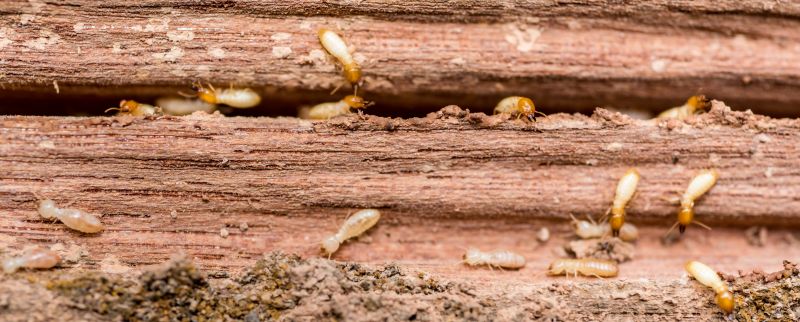
Commercial properties often present unique challenges when it comes to termite control, making specialized treatment plans essential. Unlike residential spaces, commercial buildings can have complex structures, extensive wood or cellulose materials, and multiple access points that require tailored approaches. Property owners in the area seeking effective termite management understand that a one-size-fits-all solution may not address the specific needs of their business environment. Local contractors experienced in commercial termite control can assess these particular factors and develop treatment strategies that effectively target infestations while minimizing disruption to daily operations.
The importance of customized treatment plans becomes even clearer in situations where ongoing protection is necessary to prevent future damage. Commercial properties often have larger footprints and more valuable assets that need safeguarding, making it crucial to work with service providers who understand the intricacies of such environments. Local pros can evaluate the property's construction, identify potential risk areas, and implement integrated solutions designed to deliver long-term results. Property owners searching for reliable termite control recognize that partnering with specialists ensures the treatment plan is suited to their specific commercial needs, helping to maintain the integrity of their buildings and investments.
Why do commercial termite control treatments need to be customized? Commercial properties have unique structures and environments that require tailored treatment plans to effectively eliminate termites and prevent future infestations, which local contractors can assess and address appropriately.
What makes commercial termite control more complex than residential services? The scale, building materials, and usage patterns of commercial properties demand specialized treatment approaches that go beyond standard methods, and experienced service providers are equipped to develop these plans.
How do local service providers determine the best treatment plan for a commercial property? They evaluate factors such as the property's construction, termite activity levels, and potential entry points to design a treatment plan that effectively targets the specific needs of the site.
Why is it important to use specialized treatment plans for commercial termite control? These plans ensure comprehensive coverage, reduce the risk of recurring infestations, and address the complexities of commercial structures that generic treatments might not effectively handle.
What role do local contractors play in implementing specialized commercial termite control plans? They provide expertise in assessing properties, selecting appropriate treatments, and executing plans that are designed specifically for the unique challenges of commercial environments.
Assessing property structure - Property owners should work with local contractors to evaluate building foundations and wood structures to identify potential termite entry points.
Customized treatment strategies - Developing tailored plans that address the specific needs of commercial properties ensures effective termite management.
Implementing preventative measures - Coordinating with service providers to install barriers or treatments can help protect the property from future infestations.
Ongoing monitoring and inspections - Regular inspections by local experts help maintain treatment effectiveness and detect early signs of termite activity.
If you are thinking about why commercial termite control requires specialized treatment plans for a property, this guide is meant to help you understand this topic, the typical project types, and how different options might fit your plans.
When you are ready, you can use the quote form on this page to share a few details about your project. From there, local pros can review the basics and follow up with options that match what you have in mind.